

When it comes to hard drive repair and data recovery, head replacement is one of the most delicate and critical procedures. The tiny read/write heads are essential for reading and writing data on the platters. If damaged, specialists replace the heads to recover data. 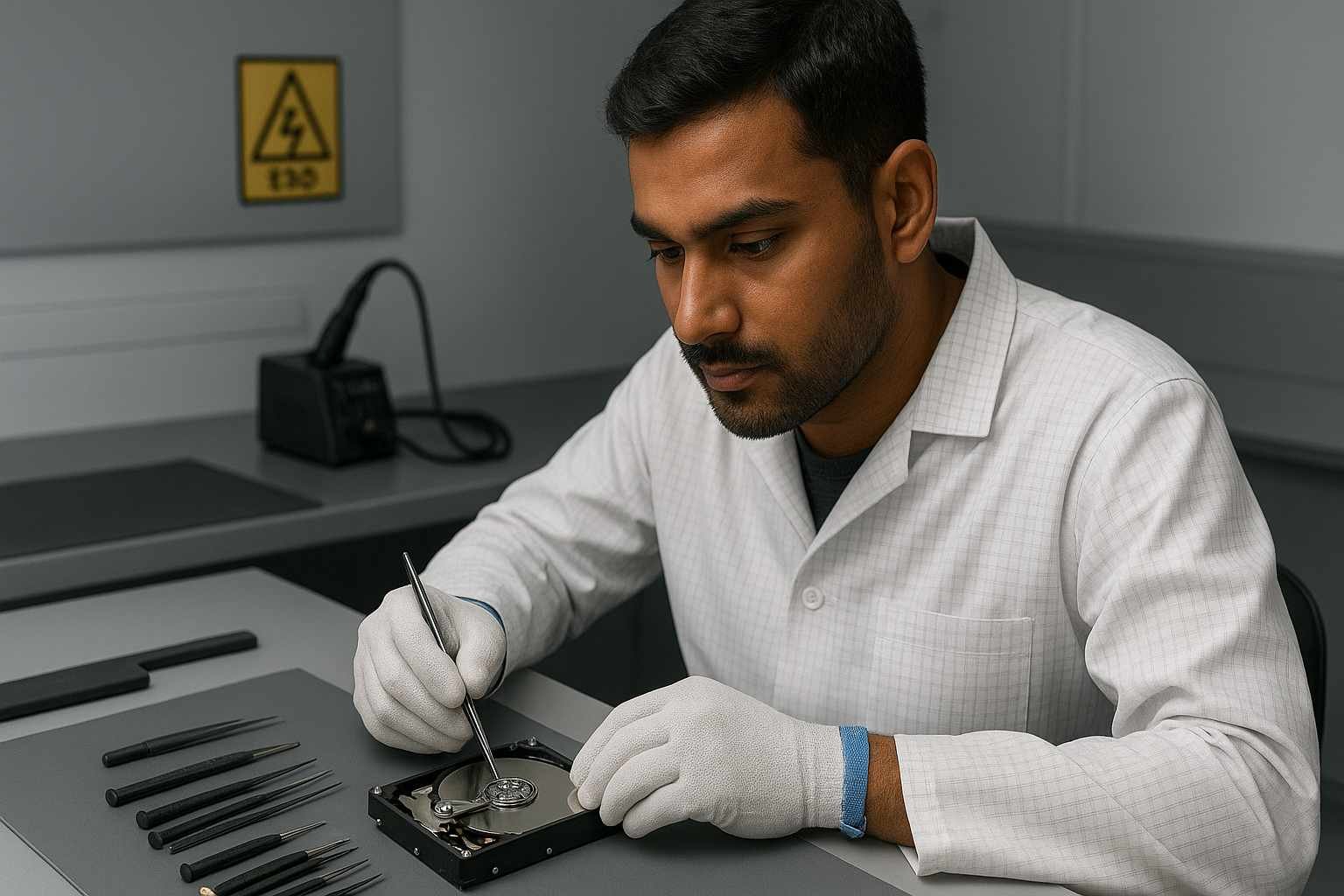
But head replacement is sensitive and requires the right tools and expertise to avoid causing more damage. Here’s everything you need to know about head replacement tools, how they work, and why they’re vital.
⚙️ What Is Hard Drive Head Replacement?
🔹 The head stack assembly (HSA) holds the read/write heads and moves across the platters to read/write data.
🔹 When heads are physically damaged or fail, replacing the entire HSA is necessary. This complex micro-mechanical repair requires removing the old assembly and installing a compatible replacement in a clean environment.
⚠️ Why Do You Need Specialized Head Replacement Tools?
❌ Scratch platters permanently
❌ Cause data loss or unrecoverable damage
❌ Damage new heads, requiring another replacement
Specialized tools ensure precision, reduce contamination risk, and allow safe removal and installation of the HSA.
🧰 Essential Hard Drive Head Replacement Tools

1️⃣ Head Replacement Tool Kits
🔧 Precision torque screwdrivers, anti-static tweezers, clamps, and alignment fixtures.
2️⃣ Clean Room or Clean Bench
🌬️ A dust-free environment with filtered airflow to protect platters from contamination.
3️⃣ Head Replacement Alignment Tools
🎯 Help precisely align new head stacks to platters and actuator arms. Misalignment causes damage or failure.
4️⃣ Torque Screwdrivers
🔩 Ensure correct torque on screws to avoid over-tightening or loosening.
5️⃣ Head Clamp and Lifting Tools
✋ Carefully lift the head stack assembly from platters without scratches. Custom tools vary by drive model.
6️⃣ Microfiber Cloths and Cleaning Tools
🧼 Clean PCBs and internal parts without leaving lint or debris.
🧑🔧 How to Use Head Replacement Tools Safely: Key Tips

✅ Work in certified clean rooms or clean benches with filtered airflow
✅ Use anti-static wrist straps to protect electronics
✅ Handle heads and platters carefully; avoid touching platters
✅ Use model-specific alignment tools for perfect fit
✅ Take your time—head replacement demands patience and precision
⏰ When to Consider Head Replacement Tools?
🔹 When heads are damaged by shock, wear, or contamination
🔹 If the drive clicks or fails to read/write data
🔹 When firmware reports head errors or drive is inaccessible
🏪 Where to Get Professional Head Replacement Tools?
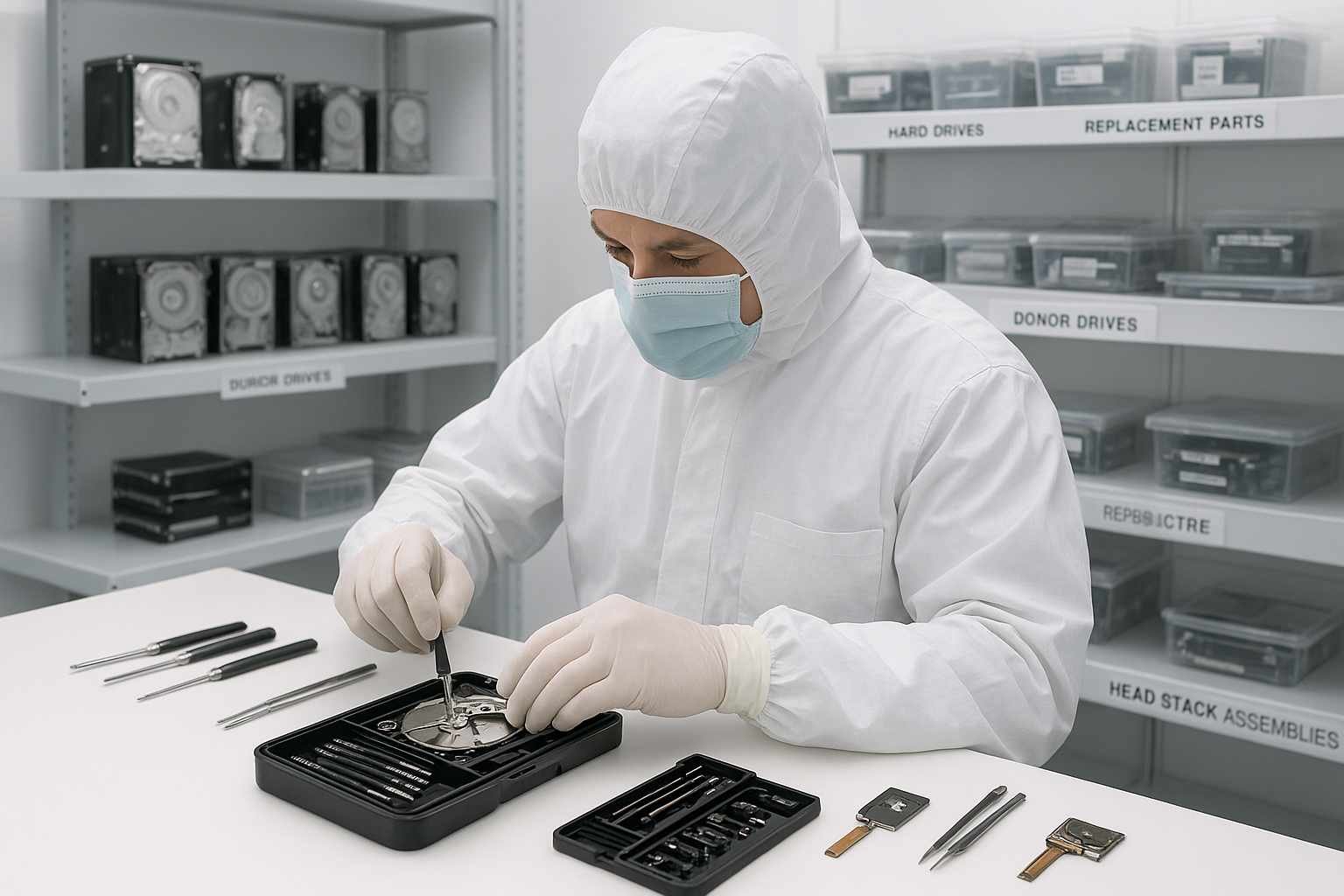
At HDD Donor, find:
🔧 Professional-grade head replacement kits
🧼 Clean bench setups for labs
🧩 Donor head stack assemblies and accessories
Trusted worldwide by data recovery experts.
✅ Conclusion
Head replacement is a highly specialized job requiring the right tools, environment, and skill. Using professional head replacement tools greatly improves your chance of successful data recovery without further damage.
If you’re a technician or enthusiast, make sure you have the right tools and training.
Ready to Get Started?
👉 Browse our full selection of Head Replacement Tool Kits and Accessories
📩 Need advice or support? Contact us anytime!


