

In the fast-evolving world of data recovery and forensic investigations, hard drive failures can present critical roadblocks. Institutions like the National Forensic Sciences University (NFSU) Gandhinagar rely heavily on state-of-the-art data recovery techniques to unlock digital evidence vital to criminal and cyber investigations.
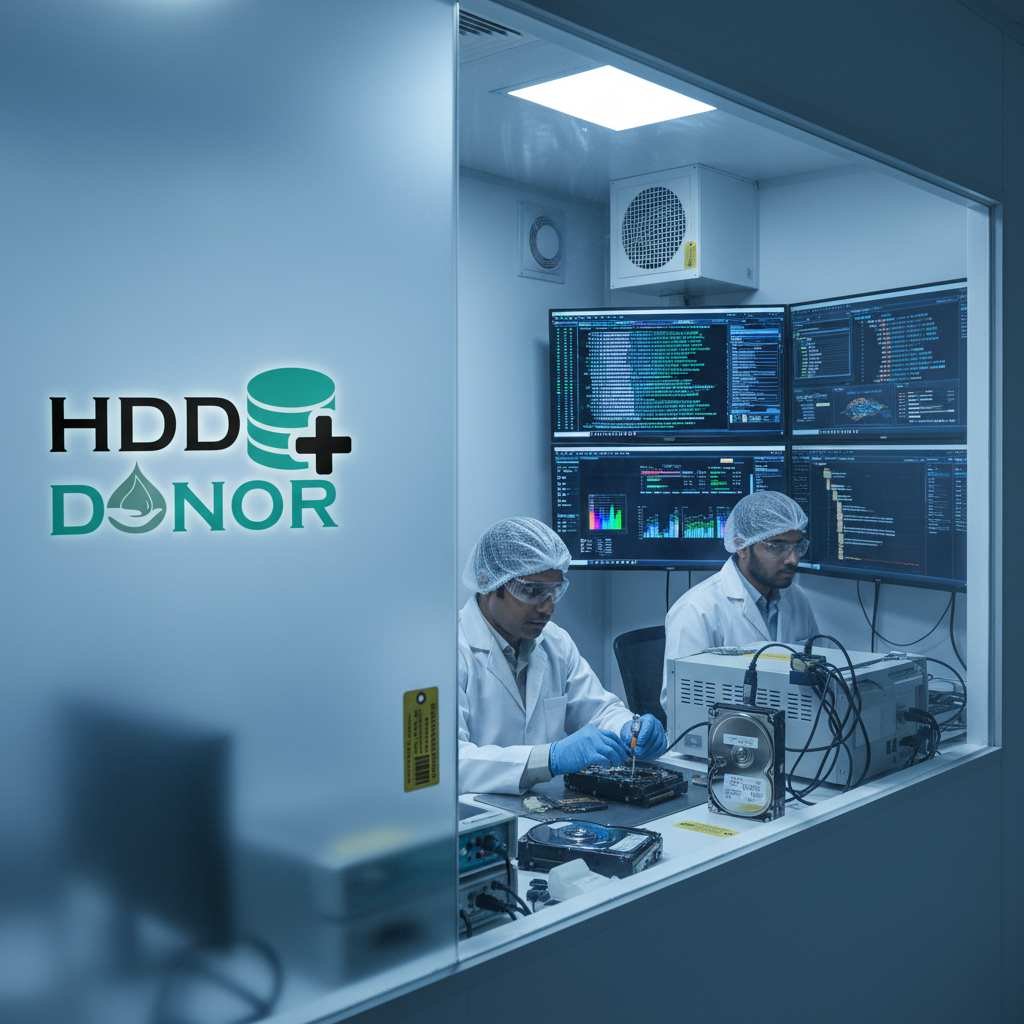
One of the most common yet complex challenges is recovering data from physically damaged hard drives — especially when the internal hardware components such as read/write heads or printed circuit boards (PCBs) fail.
This comprehensive blog post explores how such an institution could use a donor hard drive from HDD Donor to overcome these challenges. We’ll also delve into essential concepts like donor drive compatibility, PCB replacement, firmware matching, and the latest tools available to professional data recovery technicians in India.
🛠️ 1. Understanding Hard Drive Failures: Why Donor Drives Matter
Hard drives (HDDs) are mechanical devices with multiple delicate parts — spinning platters, magnetic heads, PCBs, and firmware chips. Common causes of drive failure include:
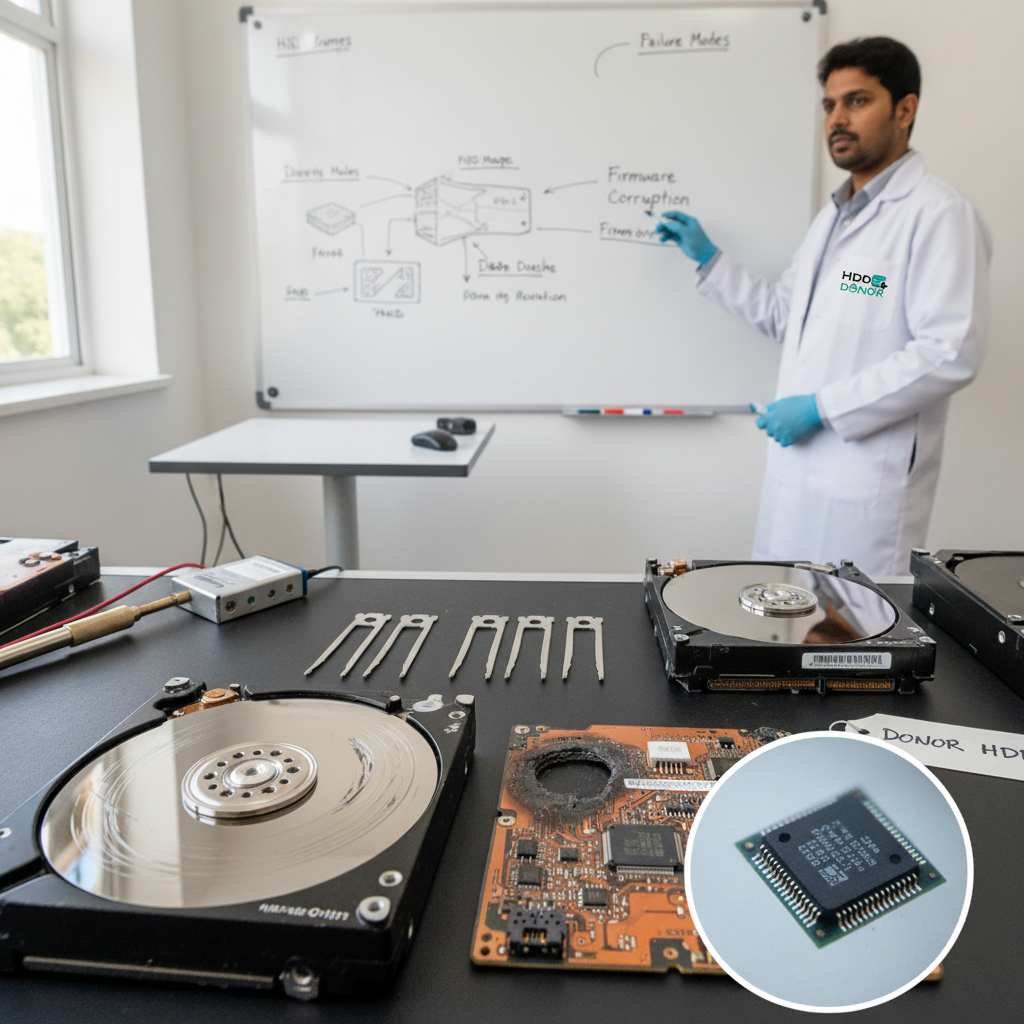
🔹 Head crashes: The read/write heads physically touch platters causing damage
🔹 PCB failure: Circuit boards can short or become corrupted
🔹 Firmware corruption: Software that controls hardware malfunctions
🔹 Mechanical wear: Spindle motor failures, stuck platters
For data recovery experts, these failures often require hardware replacement or firmware transfer to access the data.
⚙️ Why Donor Drives Are Essential
A donor hard drive is an identical or compatible hard drive used as a source for parts (e.g., PCB, head assembly) to replace failed components in the damaged drive. Using a donor drive can:
🔹 Restore mechanical and electrical functions
🔹 Enable recovery software to access data
🔹 Save time and cost compared to sourcing parts individually
💾 2. What Is a Donor Hard Drive? Key Definitions
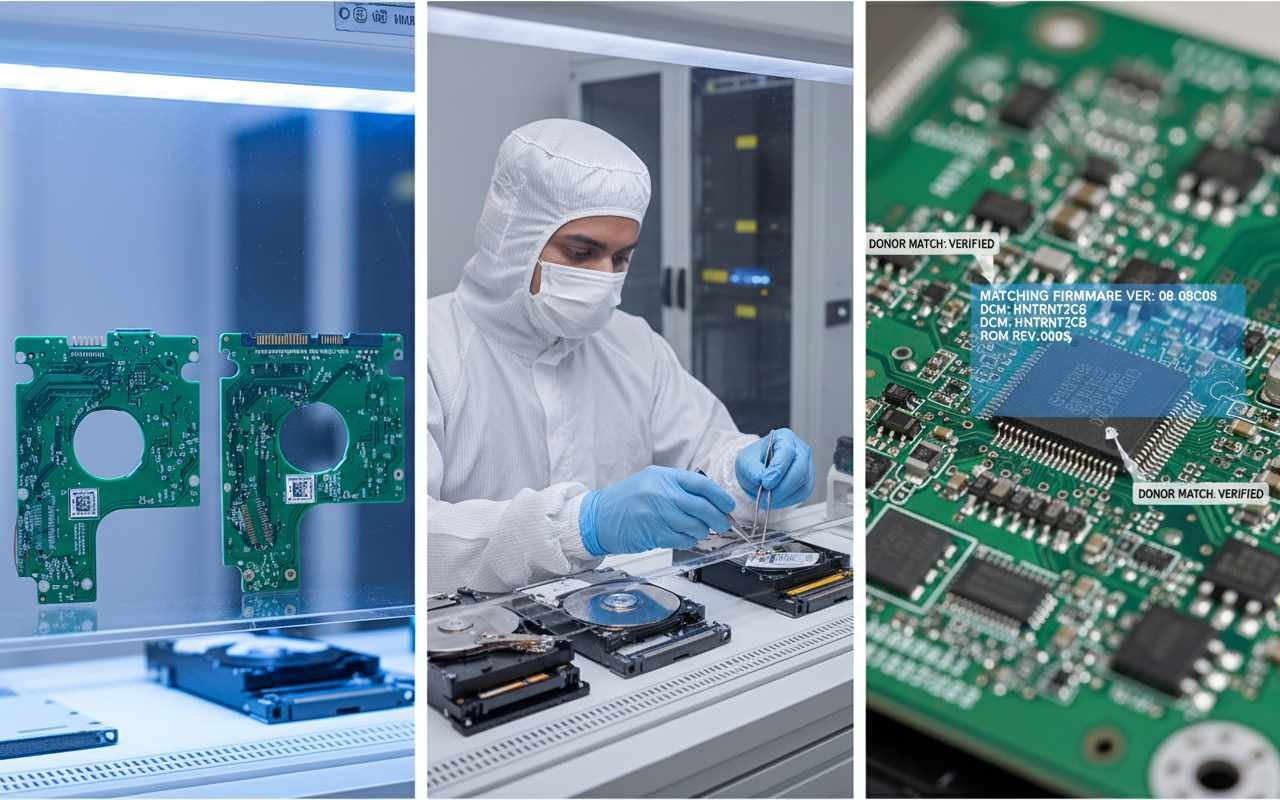
- Donor Drive: A fully functional hard drive matching the model, firmware, and hardware specifications of the failed drive.
- PCB (Printed Circuit Board): The electronic board controlling drive operations. It must be compatible, including firmware versions.
- Head Stack Assembly (HSA): The mechanical part containing read/write heads.
Using the correct donor is crucial because even small mismatches (e.g., in firmware or DCM code) can prevent successful data recovery.
🔧 3. The Critical Role of PCB and Firmware in Data Recovery
The PCB is the hard drive’s brain and heartbeat. When it fails, swapping with a donor PCB can resurrect the drive — but with caveats:
🔹 Firmware chip must match: Firmware controls hardware functions; mismatched firmware leads to drive errors.
🔹 Calibration data: Unique to each drive, stored either on the PCB or platters, affecting compatibility.
🔹 Micro-jumper settings: On the PCB may need configuration for donor compatibility.
At HDDDonor.in, we provide PCBs with firmware matching services and micro-jumper guidance to reduce trial and error, essential for forensic-grade recoveries.
📚 4. Hypothetical Case Study: The NFSU Gandhinagar Scenario
🏛️ Background
Imagine a scenario where the National Forensic Sciences University (NFSU) Gandhinagar receives a Western Digital 2TB hard drive as evidence in a cybercrime investigation. The drive shows:
🔹 Loud clicking noises on startup
🔹 Failure to spin up fully
🔹 No response to software recovery tools
🔍 Diagnosing the Problem
The forensic team suspects a head crash and possibly a damaged PCB. The drive’s internal heads likely failed, and the PCB firmware could be corrupted, preventing initialization.
🛠️ The Solution via HDD Donor
NFSU hypothetically turns to HDD Donor and orders:
🔹 A Western Digital WD20EZRX-00DC0B0 donor hard drive (exact model and firmware match)
🔹 PCB board with the correct firmware version
🔹 Head-comb and head-unstick tools
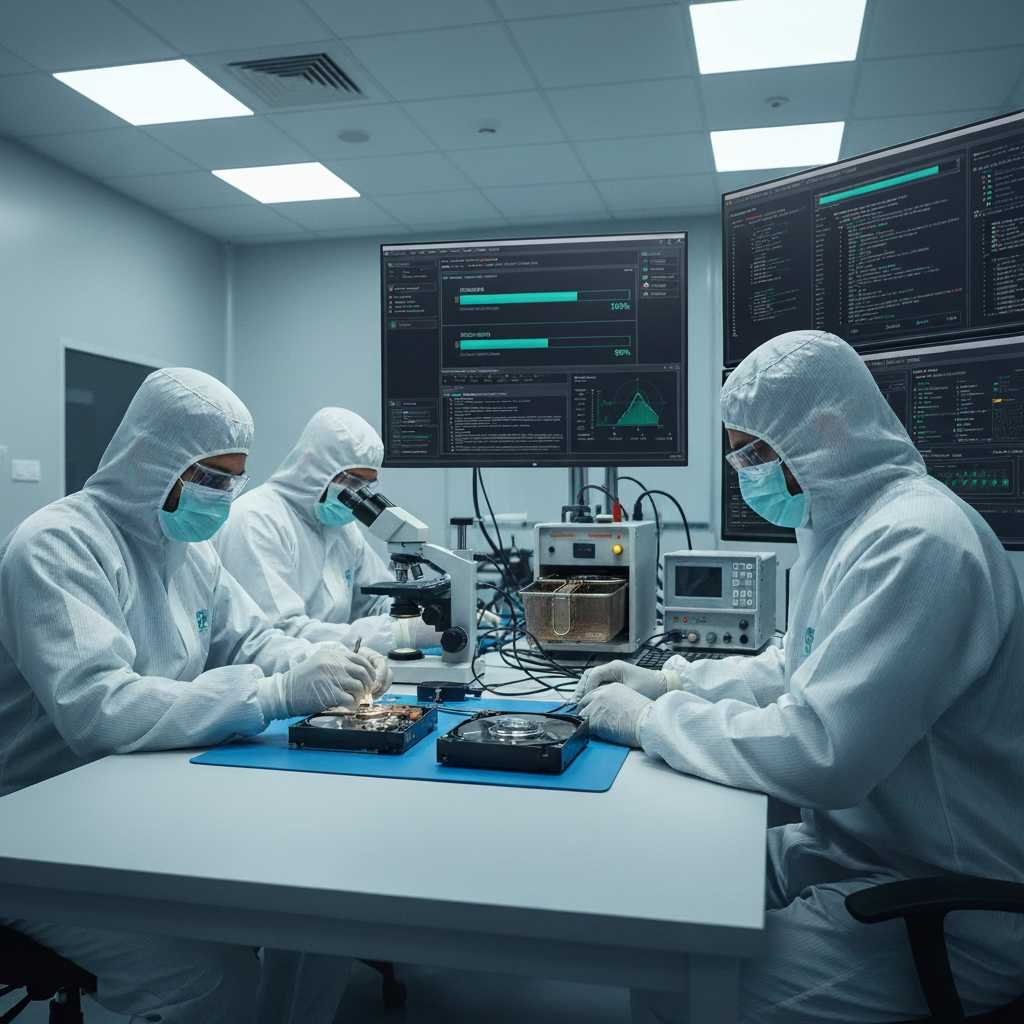
Using a cleanroom environment, they perform:
🔹 Careful head replacement using the donor’s head stack assembly
🔹 PCB swap with firmware calibration
🔹 Final firmware synchronization and diagnostics
📊 Results
The team successfully images 98% of the original drive’s data, retrieving vital forensic evidence without sending it overseas, saving weeks and thousands in recovery fees.
💡 Why This Matters
Though fictional, this scenario highlights:
🔹 The criticality of exact donor drive matches
🔹 The value of fast delivery and expert support in India
🔹 The importance of specialized recovery tools beyond just the donor drive
🤝 5. How HDD Donor Supports Data Recovery Professionals
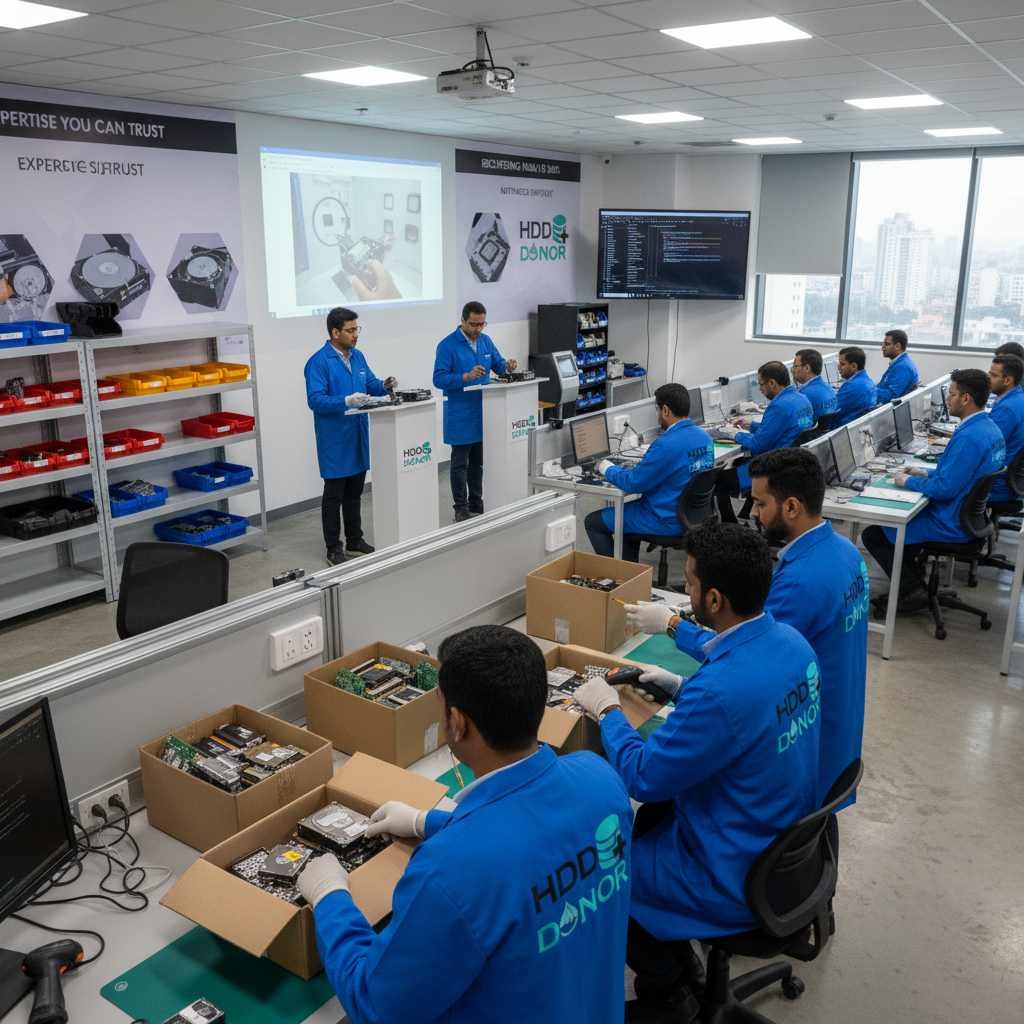
At HDD Donor, we pride ourselves on being India’s leading supplier of:
🔹 Donor hard drives: Rare and common models, with verified firmware versions
🔹 PCBs and firmware solutions: Including micro-jumper configurations
🔹 Recovery tools and accessories: Head combs, cleanroom gear, head-unstick tools
🔹 Training and technical support: For beginners and experts alike
Our nationwide shipping ensures you get the right parts quickly, reducing downtime and increasing successful recovery rates.
✅ 6. Best Practices for Selecting Donor Drives in India
When choosing a donor drive:
🔹 Verify exact model number (e.g., WD20EZRX-00DC0B0)
🔹 Check firmware version and DCM (Drive Configuration Matrix) matches
🔹 Confirm PCB part number compatibility
🔹 Use trusted sources like HDD Donor to avoid counterfeit parts
🔹 If possible, consult with technical support before ordering
🚀 7. Advanced Tools and Techniques: Beyond Donor Drives
To improve recovery success:
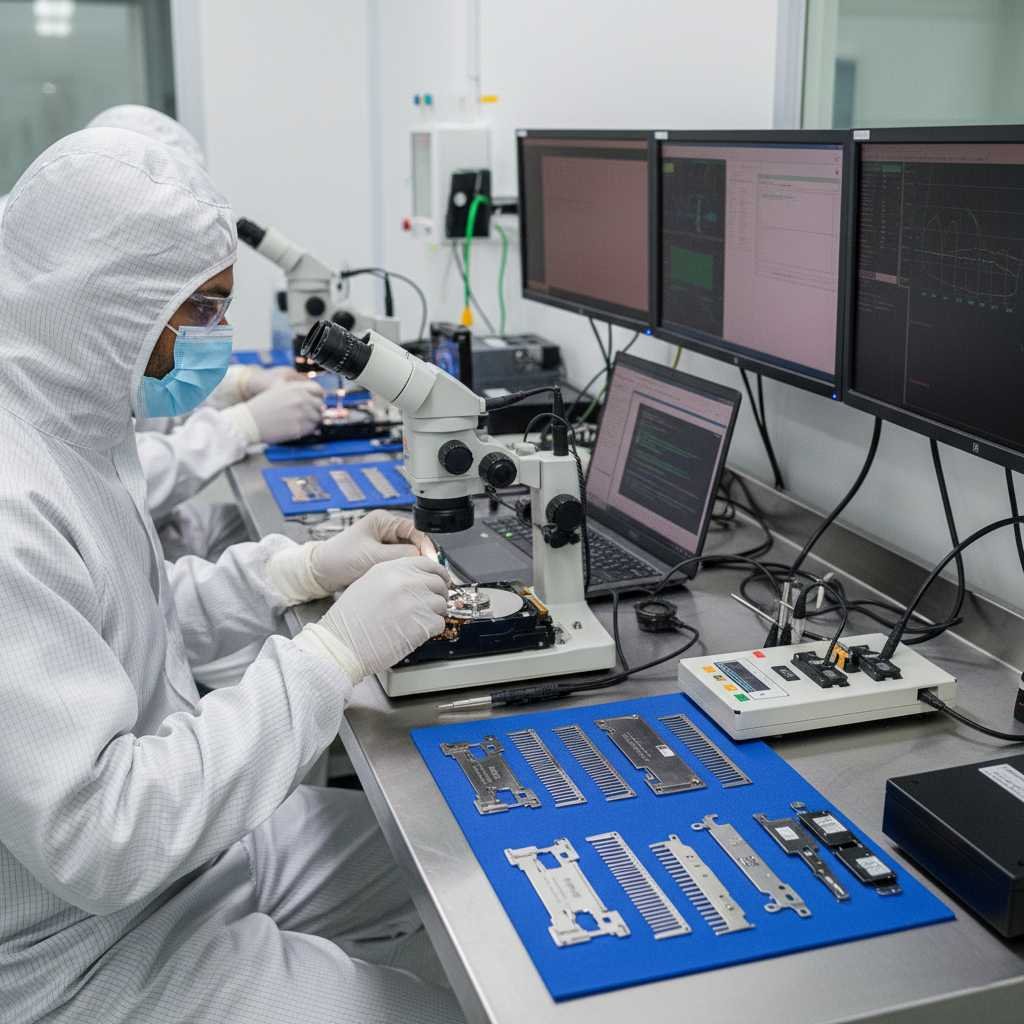
🔹 Use head combs to avoid damaging platters during head swaps
🔹 Employ head unstick tools to free stuck heads without disassembly
🔹 Leverage firmware editing software for low-level drive management
🔹 Maintain cleanroom environments to prevent contamination
🔹 Stay updated with the latest industry techniques via training programs
⏳ 8. Why Timely and Proper Data Recovery Matters
🔹 Legal investigations depend on chain of custody and timely evidence extraction
🔹 Avoid further damage by acting fast with the right hardware
🔹 Prevent costly outsourcing by having reliable local partners
🔹 Enhance your reputation by delivering quick and effective recovery
🎯 10. Conclusion: Partnering with HDDDonor.in for Success
Data recovery in forensic and professional settings requires precision, speed, and quality parts. Whether you’re a forensic lab like NFSU Gandhinagar or a local recovery specialist, having access to the right donor hard drives, PCBs, and tools can be the difference between success and failure.
At HDDDonor.in, we understand these needs and provide a trusted platform for India’s data recovery professionals to source rare parts, get expert advice, and accelerate their recovery processes.
🚀 Ready to recover more data, faster?
Explore our extensive catalog of donor hard drives, PCB boards, firmware solutions, and recovery tools at HDDDonor.in.
For personalized advice and bulk orders, contact our expert team today and discover why thousands of technicians across India trust HDDDonor.in as their go-to partner for data recovery.
❓ 9. About Donor Drives and Hard Drive Recovery
Q1: Can I use any donor drive model for PCB or head swaps?
A: No, exact model and firmware matching is critical. Using incorrect donors can cause permanent damage.
Q2: How long does it take to get a donor drive from HDDDonor.in?
A: We offer same-day dispatch and nationwide shipping across India, typically delivering within 2-3 business days.
Q3: Do you provide technical support for using donor drives?
A: Yes, our experts assist with compatibility, firmware, and recovery techniques.
Q4: Are the donor drives new or refurbished?
A: We provide tested, fully functional donor drives suitable for data recovery tasks.


